Man With Van in Morden Park

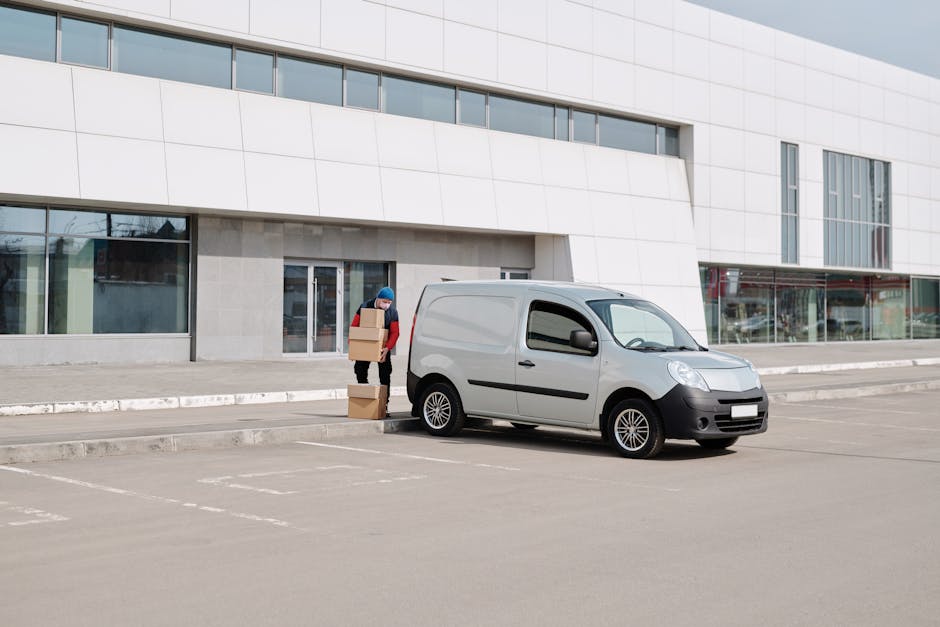
We provide man with van in Morden Park services for home moves, single-item transport and practical removal help that needs a straightforward vehicle-and-loader setup. The focus is on keeping the process clear: suitable van size, careful loading, sensible routing and support that matches the amount of space, handling and lifting your job needs. If you are moving within the area or collecting items from elsewhere, the service is built around useful transport rather than unnecessary extras.
Our work can suit furniture pick-ups, partial moves and smaller removals where a full-size lorry may not be the best fit. We also handle jobs that benefit from a tidy loading plan, for example awkward items, boxed contents, garden pieces or mixed household goods. Choose the scope that fits the load, and the move can stay efficient without becoming overcomplicated. For a clearer view of the service options, you can also look at our man with van service and the wider removal services we offer.
CTAs are best kept simple at this stage: tell us what needs moving, where it needs to go and whether there are stairs, parking limits or bulky pieces to consider. A short written summary is usually enough to start planning the vehicle and labour required. If you are comparing services, ask for a quotation once you are ready to share the key details.
House Moves and Local Removal Support
House moves often need more than just transport, even when the property is not large. We can support smaller domestic moves, part-households and careful shifts between addresses where the timing and loading order matter. The aim is to move belongings securely, keep fragile pieces separate where needed and reduce avoidable handling by planning what goes in first, what stays accessible and what should be wrapped or boxed before the van arrives. Relevant service information is available on home moves and house removals.
For many customers, the main decision is whether the load is best treated as a full removal, a partial removal or a mixed move with some items going by van and others moving separately. That decision affects vehicle space, number of trips and how loading time is organised. We can help with domestic furniture, personal belongings and practical transport of ordinary household items, while keeping the job focused on what actually needs to be carried rather than on unnecessary add-ons. If you are weighing up options, house movers and house removalists may help you compare the type of support available.
When you request a price, it helps to note the main items, access at both ends and whether the move includes dismantled pieces, boxed contents or items that need special care. You do not need a full inventory to begin, but a short description of the load can make the quotation more accurate. Clear access details matter because they affect how the move is planned and how long loading may take.
Furniture Pick-ups, Single Items and Mixed Loads

Not every booking is a full move. Many jobs only need a van and an extra pair of hands for one sofa, a bed frame, a table, a wardrobe or a few related pieces collected from a shop, seller or storage address. Our furniture pick-up service is suited to that kind of work, especially when items are too awkward for a standard car but do not justify a larger removals operation. We can plan space around shape as well as size, which helps when the load includes long, wide or heavy items.
Mixed loads are common too. A customer may need several pieces of furniture moved alongside bags, boxes or personal effects, and it is usually more efficient to think about the arrangement inside the van rather than the item count alone. Heavier objects should be secured so that lighter items are not crushed, and breakable pieces should be grouped with suitable protection. This kind of practical ordering makes the journey safer and can reduce re-handling at delivery. If you want to understand the wider transport options, our moving van and moving truck pages explain the available vehicle-based services.
For a fair quotation, the most useful details are the size and weight of the items, the collection point, the delivery point and any access limits such as narrow hallways or upstairs rooms. A few photographs can help, but they are not a substitute for basic information about what needs moving. Simple details early on save time later, especially where the load includes bulky items that need careful handling.
Packing, Protection and Loading Decisions
Packing support can make a man with van job much easier to manage, especially where the move includes mixed household items, breakables or contents that need to remain grouped by room or category. Our packing and unpacking services are useful where the customer wants help preparing items for transport or settling them at the other end. Good packing does not just protect possessions; it also helps the loading plan, because boxed items can be stacked more predictably than loose belongings.
Protection matters most when the journey involves furniture corners, glass, mirrors, appliances or finished surfaces that can scuff in transit. Blankets, wraps, straps and careful placement all play a role, but the main principle is straightforward: load the van so that the most stable items support the arrangement and nothing shifts unexpectedly. This is one reason a measured, well-organised load often works better than trying to rush everything in at the last minute. For customers who want to understand the broader operational side, the removal company and removal companies pages give a fuller picture of service types.
If you are preparing to ask for a quotation, think about how the items are currently packed, whether anything needs dismantling and whether you would like help at collection, delivery or both. A short note about fragile items, tight stairwells or parking restrictions is often enough. One clear message is better than several separate updates, particularly when the move includes a range of item sizes.
Commercial Moves and Office Transport

Commercial jobs need a slightly different approach because desks, chairs, files, IT equipment and stock may have to move in a defined order. Our commercial moves service is suitable for smaller workplaces, shops and office-related transport that can benefit from van-based support without the scale of a full relocation crew. The goal is to keep business items organised, reduce handling errors and move items in a sequence that works for the premises and the schedule.
For office work, it is often sensible to separate essential equipment from general furniture, and to keep labelled boxes or devices together so they are easier to unload and reassemble. Some customers also need help shifting archived files, monitor stands, storage units or reception furniture, which means the load needs planning around both weight and fragility. You can read more on our office relocation services and office removals pages if you are comparing the different forms of support available for workplace moves.
Commercial quotations are usually clearer when the collection window, access arrangements and item list are set out early. If the work involves stairs, loading bays, lift use or a timed handover, that should be mentioned at the outset. We can then shape the transport around the practical details rather than treating every move as if it were the same. That helps keep the work straightforward and avoids unnecessary delays on the day.
Vehicle Choice, Load Planning and Service Range
Choosing between a van-based service, a larger moving vehicle or a more focused removal arrangement depends on the size and structure of the load. Some jobs are best handled by a single run with a well-packed van, while others benefit from more room for awkward shapes or a heavier volume of belongings. The right choice is not simply about the total number of items; it is also about how they fit together, how they are accessed and how much handling they require before loading.
We also support customers looking for a more general removals arrangement, including jobs where the load mixes furniture, boxes and household contents. Useful starting points include removals, man and van removals and man with a van, which sit alongside the core service offered on this page. These pages can help you compare terminology and understand how the same practical service can be described in slightly different ways across the site.
A quotation request becomes easier to handle when the moving date, pickup and drop-off locations, item types and any access limits are set out together. If you are unsure whether your job is a straightforward van load or something closer to a fuller removal, say so plainly. It is better to describe the load honestly than to overstate it, because the most suitable transport depends on what is actually being moved.
About Morden Park
Morden Park is a district in south-west London, within the London Borough of Merton, and it takes its name from the historic parkland that occupies much of the area. The park itself forms the heart of the locality and is one of the area’s best-known open spaces, offering a broad sweep of grassland, trees and paths that give the neighbourhood a more spacious feel than many nearby suburban settings. The wider locality sits close to Morden town centre and shares in the layered character of this part of London, where open land, residential streets and older transport routes sit side by side. The place is also associated with Morden Park House, an 18th-century building that has long been a focal point within the grounds and now serves as a reminder of the estate’s earlier history. In the surrounding area, everyday movement is shaped by local roads and nearby stations, while the park continues to support leisure use and outdoor events. The district is not a separate historic borough, but a named part of Merton with a recognisable identity of its own, formed by the mix of parkland, housing and the wider suburban pattern of south London.
Appointments, Access and Quotation Details

Good preparation makes the moving day more predictable, and it starts with the basics: what needs to go, where it is going and how it will be reached. If items are spread across rooms, try to group them by category or destination so the loading order is easier to follow. It also helps to mention whether parking is close by, whether there are multiple floors and whether anything must be handled separately because of size, weight or fragility. That is usually enough for the first stage of planning.
There is no need to overcomplicate a quote request with unnecessary detail, but the more practical information you can give, the easier it is to match the service to the job. Some customers send a short list, others describe the move in a few sentences, and both can work well when the essentials are clear. If you are still comparing services, the pages for removal services, removals near me and moving van may help you decide which option fits best.
When you are ready, ask for a quotation with the key details included. A brief outline of the load and access points is usually enough to begin. If the move also includes packing, a single item collection or a broader household transfer, say that in the same message so the service can be planned as one coordinated job rather than a set of disconnected tasks.
Operational Standards and Helpful Service Pages
Customers often want a service that is practical, careful and easy to understand. That means clear communication about what the job includes, how the loading is arranged and whether the move is limited to transport or also includes lifting, basic handling or packing support. We keep the emphasis on the actual work in hand, with the service shaped around ordinary moving needs rather than unnecessary complexity. For related information, you may also find about us, insurance and safety and health and safety policy useful.
There are also pages that explain other parts of the customer experience, including pricing and quotes, payment and security and terms and conditions. These are not part of the moving job itself, but they can help if you want to understand how enquiries, payments and general service arrangements are handled. Keeping the commercial process clear can be just as important as choosing the right vehicle, particularly when the move has a fixed time or a carefully organised handover.
For enquiries, the most helpful approach is often a short message with the essential facts rather than a long description that mixes wish-list items with confirmed details. If you already know the main pieces, state them plainly; if not, provide the rough shape of the job and ask for guidance. Clear information, given once, is usually enough to begin the conversation in the right place.
Recycling, Responsible Disposal and Further Support

Some moves involve items that will not be going to the new address, and it is helpful to separate those from the belongings that are staying with the main load. Where appropriate, the service can be planned so that reusable items are transported and unwanted pieces are dealt with separately rather than mixed into the same arrangement. This can be useful for customers who are reducing clutter, replacing furniture or dealing with a partial clear-out alongside a move.
Responsible handling is supported by sensible sorting and by deciding early what should be kept, passed on or removed from the transport plan. If a job includes both movable items and pieces no longer needed, it is better to identify that from the start so the service can be organised around the right collection list. Our recycling and sustainability page explains more about this side of the work, while furniture pick-up can be useful for single-item transport or related collections.
If you are ready to move forward, request a quotation and include the date, the kind of items involved and the address type at each end. That simple step gives a solid basis for a practical response. From there, the move can be arranged around the load, the access and the most suitable level of help, keeping the service direct and manageable from the outset.