Waste disposal rules in Morden Park after a clear-out
Posted on 26/06/2026

After a big clear-out, the pile of old furniture, broken boxes, bags of mixed rubbish, and "I'll deal with that later" items can grow fast. In Morden Park, that tidy-up stage is often where people get stuck: what can go in the bin, what needs to be recycled, what counts as bulky waste, and what definitely should not be left outside? This guide explains the waste disposal rules in Morden Park after a clear-out in plain English, so you can stay compliant, keep things practical, and avoid the kind of messy mistakes that lead to fly-tipping or extra costs.
Whether you are clearing a flat, a family home, a student property, or an office, the basics are the same: sort carefully, separate hazardous items, use approved disposal routes, and plan the job before the last bag is tied. If you are also preparing for a move, you may find it useful to pair this with decluttering advice for a smoother move and a practical packing guide. That combination saves time, and honestly, a lot of stress.
- Why waste disposal rules in Morden Park after a clear-out matters
- How waste disposal in Morden Park works
- Key benefits and practical advantages
- Who this is for and when it makes sense
- Step-by-step guidance
- Expert tips for better results
- Common mistakes to avoid
- Tools, resources and recommendations
- Law, compliance, standards and best practice
- Options and comparison table
- Case study or real-world example
- Practical checklist
- Conclusion
- Frequently asked questions
Why Waste disposal rules in Morden Park after a clear-out Matters
Waste disposal sounds simple until you are standing in a hallway with three black bags, a half-dismantled wardrobe, and a broken chair that will not fit anywhere neat. The rules matter because disposal is not just about getting rid of clutter. It affects safety, local cleanliness, neighbour relations, and your legal responsibility for the waste you create.
In practice, the biggest problems usually happen when people treat all waste as the same. It is not. Clean cardboard, untreated wood, old textiles, electrical items, plasterboard, paint, and garden waste all travel down different paths. If you mix them carelessly, you can make recycling impossible and increase the chance of an issue if rubbish is left in the wrong place. To be fair, most people do not do this on purpose. They are just trying to finish the clear-out before dinner.
There is also a local reality to consider: Morden Park sits within a busy part of southwest London, where streets, kerbs, parking space, and access can be tight. A badly planned clear-out can block walkways, attract complaints, or create a nuisance outside flats and shared housing. If your clear-out is tied to a house move, it helps to think ahead about access and logistics, especially if you are dealing with narrow roads or permit-sensitive locations. Guides such as Merton Council permit guidance for removals and parking suspension tips for SM4 moves are useful when timing and vehicle placement matter.
Expert summary: the safest approach after a clear-out is to separate waste at source, keep hazardous items out of general rubbish, and choose the disposal route that matches the item type. Simple rule. Very effective.
How Waste disposal in Morden Park works
After a clear-out, your waste usually falls into one of a few broad categories. The exact collection and recycling arrangements can vary depending on what the item is and how much of it you have, but the logic stays the same: households and businesses are expected to present waste responsibly and use the correct disposal route.
1. General household waste
This is the everyday refuse that cannot be reused or recycled easily: used tissues, heavily contaminated packaging, food scraps, and similar material. If you have filled your standard bins, do not be tempted to leave extra bags beside them and hope for the best. Overflow waste can be missed, blown around, or treated as unauthorised dumping if it is abandoned.
2. Recyclable material
Cardboard, paper, cans, glass, and some plastics may be recyclable when kept clean and sorted properly. A common mistake after a clear-out is tossing a greasy pizza box or paint-spattered packaging into the recycling. Once contaminated, the whole lot can become harder to process. If in doubt, keep it out and check the item carefully rather than guessing.
3. Bulky waste
Bulky waste covers items like wardrobes, sofas, mattresses, tables, and white goods. These usually need special handling because they are too large for normal bins and may contain materials that need separate treatment. If you are removing multiple bulky items, it is worth planning the sequence carefully. For example, if you are also moving furniture into storage, the timing of the clear-out can be combined with secure handling using storage options in Morden Park and sofa storage advice.
4. Electricals and appliances
Televisions, microwaves, freezers, lamps, printers, and other electrical items should not be treated like ordinary rubbish. They often contain components that need specialist recycling. Freezers and fridges also raise handling issues because of weight, coolant systems, and safe movement. If you are clearing out an old appliance, reading freezer storage and handling guidance can help you avoid that awkward moment when the item is already in the hallway and you realise it weighs a small fortune in regret.
5. Hazardous or special waste
Paint, solvents, chemicals, batteries, sharps, asbestos-containing material, and some garden products need extra caution. These items are not just awkward; they can be dangerous if handled badly. Keep them separate, sealed where appropriate, and never mix them with mixed household waste. If something smells strong, leaks, powders out, or looks suspicious, treat it carefully.
Key Benefits and Practical Advantages
Following proper waste disposal rules after a clear-out gives you more than a tidy home. It creates a cleaner process from start to finish. And that matters when you are already juggling keys, timing, lifting, and maybe a bit of family chaos too.
- Less risk of fines or complaints because waste is not left improperly outside the property.
- Better recycling outcomes since items are sorted before they become contaminated.
- Safer movement through hallways, stairwells, and shared entrances.
- Faster clear-up because you are not second-guessing every item on the day.
- More space for moving or staging if you are preparing a home for sale or a relocation.
There is also a quiet psychological benefit. Once the waste is sorted and gone, the room suddenly feels lighter. You notice the light on the floorboards, the echo changes a bit, and the whole place stops feeling "half-done". Small thing, but it helps.
If your clear-out is part of a move or sale, you may also benefit from practical support with home sale cleaning preparation or smoother house move planning. Sometimes the disposal task is the hidden bottleneck. Sort that, and the rest suddenly looks easier.
Who This Is For and When It Makes Sense
This topic is relevant to more people than you might think. In Morden Park, clear-outs happen for all sorts of reasons: moving house, downsizing, renovating, finishing a tenancy, making room for a new arrival, or helping an older relative clear a long-held property. Every one of those situations can generate a surprising amount of waste.
Homeowners
If you have cleared cupboards, lofts, garages, or sheds, you may end up with mixed waste that needs sorting before collection. Homeowners often underestimate how many bags and bulky items appear once the "just have a quick tidy" plan begins. It rarely stays quick.
Tenants and landlords
End-of-tenancy clear-outs need special care because rubbish left behind can create disputes. Removing waste before handover is usually far less stressful than dealing with deductions later. If access is awkward, the timing may need to align with vehicle parking and loading arrangements; articles such as dealing with tight staircases in Morden Park flats can be genuinely helpful.
Students
Student clear-outs tend to happen fast, often at the exact moment you are tired, hot, and fed up with flatshares. That is when things get left by the bin area and forgotten. Better to build a disposal plan before the final week. If you are in that boat, student removals support may be useful alongside a waste plan.
Offices and small businesses
Offices generate old paper archives, broken chairs, IT equipment, packaging, and awkward items from refurbishments. Waste needs separating carefully because business waste and domestic waste are not treated the same way. A bit of planning saves a lot of back-and-forth.
When it makes sense to get extra help
If you have heavy items, no lift access, limited parking, or a tight deadline, it may be more efficient to use a professional team that can move and remove items in one go. That is especially true for bulky furniture, where a badly handled lift can damage both the item and the wall. The mismatch between "I can probably manage it" and "this absolutely needs two people" is where many clear-outs go sideways.
Step-by-Step Guidance
Here is a simple, practical way to handle waste disposal after a clear-out without making a bigger job of it than necessary.
- Walk through the property once first. Do not start bagging immediately. Make a quick list of everything that needs to go so you can spot bulky items, electricals, and anything hazardous.
- Sort by category. Create separate areas for general waste, recycling, reusable items, bulky items, and special waste. Even a couple of labelled boxes can help.
- Remove reusable items early. Good-condition furniture, books, clothes, and kitchenware may be suitable for resale, donation, or storage. If you are not sure, set them aside rather than binning them in a rush.
- Pack waste securely. Use strong bags and sturdy boxes. Heavy mixed waste should be split into manageable loads. Nobody enjoys a bag splitting halfway down the stairs. Nobody.
- Check electricals and appliances separately. Remove loose shelves, tape cords neatly, and keep cords from tangling. If an appliance is going into storage before disposal, read up on safe handling first.
- Plan bulky item movement. Measure doorways, stair turns, and hallway pinch points. If an item needs more than one person, make that decision before you lift it, not after the first wobble.
- Book the right disposal route. Use the correct local collection, recycling option, or licensed removal route for the type of waste you have. Do not improvise with roadside dumping or shared bin areas.
- Keep proof of responsible disposal where needed. If you are dealing with a tenancy, office, or managed property, it can be wise to keep records or photos showing the waste was handled properly.
- Do a final sweep. Check cupboards, behind doors, the loft hatch, under sinks, and the corner behind the washing machine. The last two items are always the ones people forget. Always.
If the clear-out sits alongside a home move, it helps to coordinate disposal with packing. A practical packing workflow, such as the one in this step-by-step packing guide, can reduce double handling and save time on moving day.
Expert Tips for Better Results
After enough clear-outs, a few patterns become obvious. The jobs that go smoothly tend to have a few things in common.
Start earlier than you think
Most people leave disposal planning too late. The result is a pile of mixed waste at the end of the day and no clear idea where it should go. Start with the awkward items first, because those are the things that take the most thought.
Use the "one touch" rule
If you pick up an item, decide its destination then and there: keep, donate, recycle, or dispose. Constantly moving the same item from room to room just creates friction. It feels busy but does nothing.
Keep hazardous waste isolated
Do not let batteries, paint tins, broken lightbulbs, or chemical products drift into a random bag. Keep them in a separate, clearly marked container. Better safe than sorry, and less chance of a nasty leak later on.
Think about access before the lift
In Morden Park, a lot of properties involve narrow stairs, limited entrance space, or awkward parking. If you are removing a bulky item, measure the route and clear it before you start. If access is especially tricky, it may be worth reading about parking and access near Morden Hall Park or estate access challenges in St Helier. Different streets, same kind of headache.
Use storage when disposal is not immediate
If you are not ready to part with everything, storage can buy you breathing room. That is especially useful if you are renovating, waiting for a new tenancy, or deciding what to sell. Temporary storage is a sensible middle step, not a sign of indecision.
Do not underestimate furniture prep
If sofas, beds, mattresses, or other large items are involved, break them down where possible and protect edges before moving. Those details reduce damage and make disposal easier. A useful companion read is bed and mattress relocation tips.

Common Mistakes to Avoid
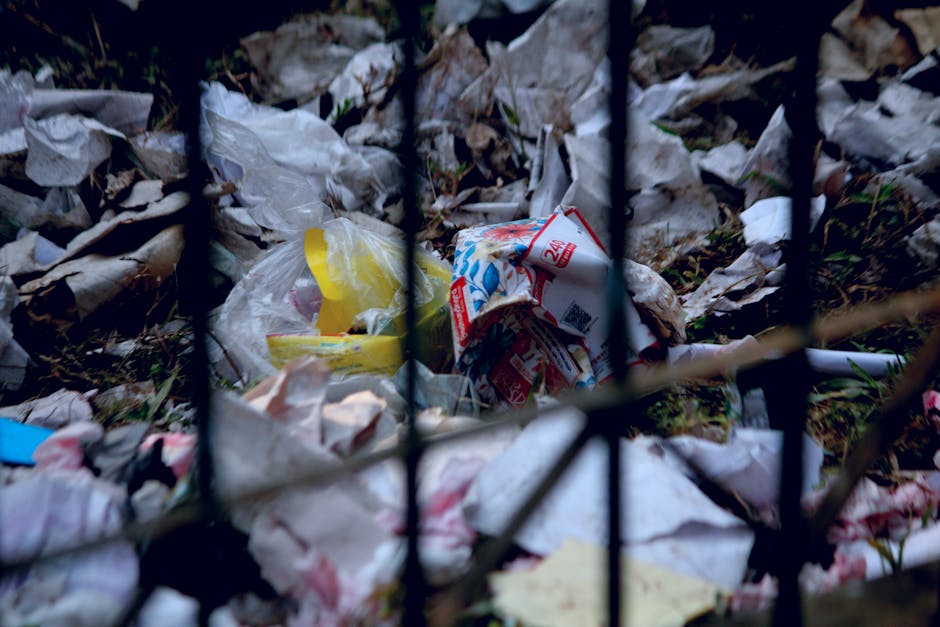
Most waste-disposal problems are not dramatic. They are small, avoidable errors that add up.
- Leaving waste beside bins and assuming someone else will take it.
- Mixing recyclables with food waste, which contaminates the whole load.
- Forgetting about batteries and electricals, then dropping them into general rubbish.
- Ignoring weight limits or safe lifting and ending up with a strained back.
- Blocking shared entrances or pavements with bags and furniture.
- Not checking local arrangements in advance and discovering too late that the item needs special handling.
- Disposing of reusable items too quickly when they could be donated, sold, or stored.
One of the biggest mistakes is treating the clear-out as a single event rather than a sequence. If you separate the work into sorting, moving, and disposal, the whole thing becomes much calmer. Less heroic, more manageable. Which is probably what you want on a Tuesday afternoon.
Tools, Resources and Recommendations
You do not need a complicated setup, but a few simple tools make disposal much easier.
- Heavy-duty bin bags for general waste and mixed lightweight rubbish.
- Labels or marker pens so sort piles stay clear.
- Protective gloves for broken items, dusty loft contents, and rough cardboard.
- Strapping tape and boxes for recyclables, cables, and small electrical accessories.
- Trolley or sack truck for heavier items and appliance movement.
- Blankets or furniture covers to prevent damage to doorframes and floors.
- Basic cleaning supplies for the final sweep after the waste is out.
On the planning side, it helps to think beyond disposal alone. If waste removal is part of a larger property project, the broader service pages can be useful: services overview, removals in Morden Park, man and van support, and furniture removals. Those pages are not a substitute for disposal planning, of course, but they can help when movement and clearance need to happen together.
If sustainability matters to you - and it probably should - keep a simple reuse-first mindset. The more items you can divert away from mixed waste, the better. Our own recycling and sustainability approach is outlined in recycling and sustainability, which is a good reminder that disposal is only one part of responsible handling.
Law, Compliance, Standards, or Best Practice
When people ask about waste disposal rules, what they often really want is reassurance: what is expected, what is risky, and what is simply sensible? In the UK, the broad principle is straightforward. You are responsible for ensuring your waste is stored, presented, moved, and handed over responsibly. That means you should not dump items illegally, contaminate recycling unnecessarily, or hand waste to someone who cannot deal with it properly.
There are also practical expectations around nuisance and safety. Waste should not obstruct pavements, shared hallways, fire escapes, or driveways. Sharp objects need careful wrapping. Broken glass should be secured. Liquids should be sealed. Heavy items should be moved safely, using enough people and the right equipment. No drama, just decent practice.
If you are hiring help, choose a provider that is clear about handling, safety, and insurance. That is where trust matters. A decent operation should be able to explain how items are loaded, protected, and dealt with, especially if the clear-out includes awkward or fragile pieces. If you want a sense of those standards, pages like health and safety policy and insurance and safety can help set expectations.
For property-related jobs, it also helps to know the practical side of scheduling and access. Permits, parking suspensions, and building rules can affect when and how waste leaves the property. If you are unsure, planning early is better than pushing ahead and hoping the street will somehow sort itself out. It won't.
Options, Methods, or Comparison Table
There is more than one way to handle waste after a clear-out. The right method depends on volume, item type, urgency, and access.
| Method | Best for | Pros | Watch-outs |
|---|---|---|---|
| Bin and recycling separation | Small to medium household clear-outs | Low cost, simple, good for regular waste | Not suitable for bulky items or hazardous waste |
| Bulky item disposal route | Furniture, mattresses, large appliances | Designed for awkward items, less manual hassle | Needs advance planning and correct preparation |
| Reuse, donation, or resale | Usable furniture, clothing, books, homeware | Reduces waste, may recover value | Requires time, item condition must be suitable |
| Storage before final decision | Items you are not ready to discard | Creates breathing room, avoids rushed decisions | Does not remove the item immediately |
| Professional removal support | Heavy, mixed, or time-sensitive clear-outs | Faster, safer, less lifting | Should be checked for suitable handling and scope |
For many households, the best result comes from mixing methods. For example, recycle the easy stuff, donate what is still useful, and use a managed removal option for the heavy final pieces. That is usually more efficient than trying to force everything through one channel.
Case Study or Real-World Example
A typical Morden Park clear-out might look like this. A couple is moving from a first-floor flat and has accumulated ten years of household clutter: a broken desk, two storage units, old bedding, a tired microwave, mixed books, and several bags of general rubbish from the kitchen and wardrobe.
At first, they plan to do everything on one Saturday. By midday, the hallway is blocked, one bag has split, and the microwave is still sitting on the landing because nobody wants to carry it down the stairs. The turning point comes when they stop treating it as one big job and split it into categories: keep, donate, recycle, and dispose.
They set aside the reusable books and lamps, flatten the cardboard, isolate the electricals, and separate the broken furniture for removal. They also realise the parking space outside is too narrow for repeated trips, so they organise the loading sequence in one run instead of ten tiny ones. It is slower at the start, but faster overall. More importantly, no one has to drag a cracked shelf through the stairwell at 7pm in the dark. Small mercy.
The clear-out ends with the flat empty, the waste sorted, and the remaining items stored safely until moving day. That is the real lesson: a planned disposal process usually feels less exciting at first, but it is far more efficient by the end.
Practical Checklist
Use this checklist before, during, and after your clear-out:
- Identify every item that needs to go.
- Separate general waste, recycling, bulky items, and hazardous material.
- Check which items can be reused, donated, or sold.
- Label bags, boxes, and piles clearly.
- Keep batteries, paint, sharp objects, and chemicals apart.
- Measure routes for bulky items and check stair turns.
- Protect floors, walls, and doorframes before moving heavy objects.
- Confirm parking and access if a vehicle or removal team is involved.
- Do a final room-by-room sweep before finishing.
- Keep any records or photos if the property handover may need proof of clearance.
Quick takeaway: if you sort waste properly before it leaves the room, you reduce nearly every other problem that follows. Less mess, less lifting, less confusion.
Conclusion
Waste disposal rules in Morden Park after a clear-out are really about doing the simple things properly: sort items, separate special waste, avoid leaving anything where it should not be, and plan for access before the bags start moving. Once you take that approach, the whole process becomes calmer and more predictable.
If your clear-out is connected to a move, a sale, or a flat handover, keep the disposal job linked to the rest of the plan. Good decluttering, sensible packing, and careful lifting all support the same outcome: a cleaner finish and far fewer last-minute surprises. That is what most people want, even if they do not say it out loud.
Get a free quote today and see how much you can save.
Sometimes the best clear-out is the one that quietly makes the next stage of life feel lighter. A bit less clutter, a bit more breathing room. That counts for a lot.