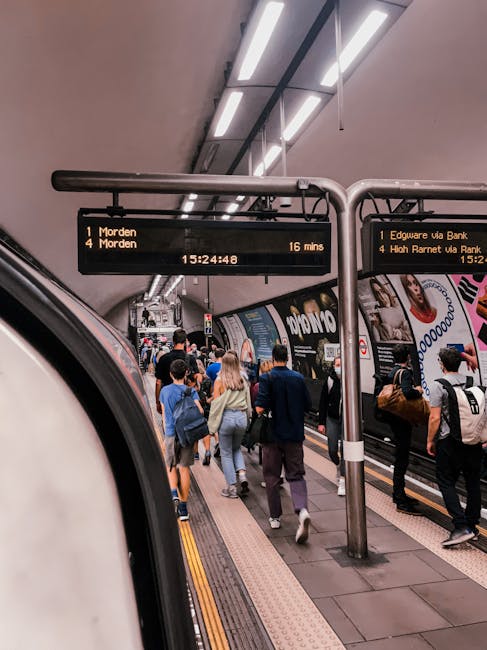
Best removals routes to and from Morden tube station
If you are planning a move near the Northern line, the phrase Best removals routes to and from Morden tube station is really about one thing: making a stressful day feel manageable. Good route planning saves time, reduces damage risk, and helps avoid the awkward moments where a van is stuck behind a bus, a delivery lorry, or a line of commuters heading into the station. Around Morden, that matters more than people expect. Streets can be busy, parking can be tight, and a small routing mistake can ripple through the whole schedule.
This guide breaks down the practical side of moving in and out of Morden station area. You will find the routes that tend to work best, how to plan around local access issues, what type of vehicle suits which move, and the mistakes that catch people out. There is also a simple checklist, a comparison table, and a few realistic examples from everyday moving situations. Nothing fluffy. Just useful guidance you can act on.
Why Best removals routes to and from Morden tube station Matters
Morden tube station is a busy transport point, and that changes the way a removal should be planned. Even if your actual property is a few streets away, the station area influences traffic patterns, drop-off options, turning space, and how long a van can safely stay in one place. If you get the route wrong, you may end up adding delays at exactly the point when timing matters most.
The biggest issue is not usually distance. It is friction. A move that should take a straightforward 20 minutes can stretch because of school traffic, commuter waves, roadworks, or a van that has to loop round to find somewhere legal and practical to stop. That is why choosing the best removals routes to and from Morden tube station is less about the shortest line on a map and more about the least disruptive one.
There is also the human side of it. On moving day, people are already juggling keys, boxes, parking permits, and the slightly surreal feeling of living out of cardboard for a few hours. A clean route plan gives you one less thing to think about. And honestly, that is worth a lot.
Expert summary: The best route is usually the one that balances access, legal stopping space, turning room, and timing. Shortest is not always smartest, especially around a station zone where traffic changes by the hour.
How Best removals routes to and from Morden tube station Works
In practical terms, route planning for a removal near Morden tube station starts with three questions: where is the property, what size vehicle are you using, and what time of day will loading happen? Those three answers usually decide whether the move runs smoothly or becomes a series of awkward little delays.
For local home moves, a man and van setup often works well when the route involves narrow residential roads or a modest load. For larger house moves, you may need a house removals service or a larger vehicle such as a moving van. If the job is commercial, an office relocation can require different timing and loading logic altogether, which is why office removals should be treated as a separate planning exercise rather than a bigger version of a home move. It usually is not the same thing.
The route itself should be judged on a few basics:
- Access width: can the vehicle enter, turn, and leave without a complicated three-point shuffle?
- Stopping options: is there a sensible place for loading close to the door?
- Traffic flow: will the route pass through calmer side streets or busier main roads?
- Time sensitivity: are you moving during school runs, peak commuter hours, or a quieter midday slot?
- Property type: flats, terraces, and offices all create different loading patterns.
If you are moving from a home, the logistics are often simplified by preparing items in advance and using packing and unpacking services where needed. That can cut loading time and make the route less important because the vehicle spends less time standing around. A small but very real win.
Key Benefits and Practical Advantages
Good routing is not just about avoiding jams. It changes the whole tone of the move. When a route is chosen properly, the team can work faster, the vehicle is less likely to get boxed in, and your items face fewer unnecessary handlings.
- Less wasted time: direct access means fewer detours and fewer waiting periods.
- Lower handling risk: if the van can park near the entrance, heavy furniture is carried less far.
- Better punctuality: which matters if you are collecting keys, meeting landlords, or coordinating lifts.
- Reduced stress: and let's face it, moving day already has enough of that.
- Cleaner coordination: route choice helps you align helpers, lifts, parking, and access times.
There is also a cost angle. A smoother route can sometimes make a smaller vehicle viable, which can be more efficient than hiring a larger truck you do not need. For some moves, a removals van is plenty. For others, especially full-house relocations, a bigger unit may be better. The trick is not to guess.
One of the underappreciated benefits is how route planning helps with sustainability. Fewer miles, fewer stops, less idling, and fewer failed parking attempts all add up. If that matters to you, it should, it is worth looking at the company's approach to recycling and sustainability as part of the wider move planning.
Who This Is For and When It Makes Sense
This guide is useful for a broad mix of movers, but especially if your property is within a practical reach of Morden station or your journey starts or ends there. Think first-time renters, families moving between local homes, flat-sharers with awkward staircases, and small businesses relocating furniture or stock.
It also makes sense if your move is time-sensitive. Maybe you have a narrow handover window. Maybe the building only allows access at certain times. Maybe the lift is shared and you cannot waste half an hour waiting for the next slot. Sound familiar? Exactly.
Typical situations include:
- Local house moves: short-distance relocations where access is the main challenge.
- Student or rental moves: smaller loads, often with tighter budgets and short notice.
- Flat moves near transport links: especially when stairs, lifts, and parking are all part of the puzzle.
- Business moves: where route timing needs to fit around trading hours or staff access.
- Furniture-only jobs: such as single items, collections, or one-room clearances.
If you are not sure which service fits your move, it can help to compare broader removal services with a lighter option like man with van support. The right choice is often the one that matches access conditions, not just the size of your pile of boxes.
Step-by-Step Guidance
Here is the simplest way to plan the best route without overcomplicating it.
- Map both ends of the move. Look at the collection point and the destination. Do not just focus on the station side. The return route matters too.
- Check the vehicle size against the streets. Some roads are fine for a compact van but awkward for a larger moving truck. This one catches people out all the time.
- Choose the least congested time window. Mid-morning or early afternoon is often calmer than the school-run and peak commute periods, though local conditions change.
- Identify loading and unloading points. A route is only useful if the vehicle can actually stop near the door.
- Build in buffer time. A few extra minutes can rescue the day if a road is partially blocked or a neighbour's car is in the way.
- Prepare the property before the van arrives. Boxes should be sealed, furniture should be ready to move, and walkways should be clear.
- Confirm insurance and safety arrangements. Good operators should be transparent about how items are protected in transit. That is why people often look at insurance and safety before booking.
One small but important point: if you are moving a lot of loose items, route planning will not fix poor packing. You need both. A sensible route and sensible packing work together; one without the other is a bit like having a torch with flat batteries.
Expert Tips for Better Results
In our experience, the moves that feel easiest are rarely the ones with the fanciest vehicles. They are the ones where someone has thought three steps ahead.
- Use the route that gives the van space, not just speed. A slightly longer road can be better if it avoids narrow turns and repeated reversing.
- Plan around station activity. The area around a tube station behaves differently at commuting times, late mornings, and evenings.
- Keep bulky items near the exit first. Sofas, wardrobes, and white goods should not be trapped behind five smaller boxes.
- Take photos before loading. Not glamorous, but useful if you want a record of item condition.
- Ask about vehicle type early. If the move needs a moving truck or a smaller removal van, it is better to decide before moving day.
- Keep essentials separate. Charging cables, keys, documents, and medication should not disappear into the back of the van. Been there, regretted that.
If you are moving home rather than just shifting furniture, you may also benefit from looking at home moves support, especially when there are children, pets, or breakables in the mix. That extra structure can make a route feel less chaotic and more controlled.
Common Mistakes to Avoid
Most route problems are preventable. They usually come from rushing the planning stage or assuming that a map app has already done the hard work. It hasn't. Not entirely.
- Assuming the closest road is the best road. Short is not always smooth.
- Ignoring loading restrictions. Even a good route fails if the vehicle cannot stop legally and safely.
- Booking the wrong vehicle size. Too small means multiple trips. Too large can mean access headaches.
- Forgetting to account for stairs or lifts. This slows everything down and can change the route decision altogether.
- Moving at the wrong time of day. Peak-hour traffic near transport hubs can be frustrating, to put it mildly.
- Not checking the building rules. Some blocks are strict about access times and parking.
Another common one: overpacking boxes so they become too heavy to carry comfortably. That is not a route problem at first glance, but it becomes one when loading takes twice as long as expected. A route plan should always be paired with a sensible packing plan.
Tools, Resources and Recommendations
You do not need a whole toolkit to plan a local move, but a few practical resources help. Use what makes the process clearer, not noisier.
- Route mapping: compare a few street options rather than relying on the first suggested path.
- Room-by-room inventory: this helps you estimate whether a smaller van or larger vehicle is needed.
- Parking notes: write down where the vehicle can wait, turn, or unload.
- Labelled boxes: simple, yes, but very effective when the van is being unpacked at speed.
- Service comparison: if you need an easy-to-scan starting point, the company's removals near me and removal company pages can help you understand the available service structure before booking.
If you want a more hands-off move, especially in a busy local setting, a professional team can also handle the heavy lifting, route judgement, and item protection together. That is where movers with local experience tend to earn their keep.
Law, Compliance, Standards, or Best Practice
Route planning for removals is not just about convenience. It also needs to fit normal UK road-use expectations, local access rules, and sensible safety practice. Without getting too legal about it, the core idea is simple: vehicles should stop, load, and travel in a way that is lawful, considerate, and safe.
That means avoiding unsafe stopping points, respecting building rules, and checking whether any parking or loading restrictions apply near the property. It also means using insured operators where appropriate, especially if you are moving valuable or fragile items. For most readers, the practical takeaway is straightforward: a good moving plan should reduce risk rather than create it.
Reputable teams usually work with clear terms, fair payment handling, and transparent service conditions. If you are comparing providers, it is sensible to review terms and conditions and payment and security before confirming anything. That is especially true for larger or same-day jobs where expectations need to be crisp.
If you are moving commercial stock, documents, or equipment, look for a provider that understands business timing and access needs. A local commercial moves service is usually better suited than a generic household approach.
Options, Methods, or Comparison Table
Different moves around Morden station call for different approaches. Here is a simple comparison to help you decide what fits best.
| Option | Best for | Route advantage | Trade-off |
|---|---|---|---|
| Man and van | Small to medium local moves | Easier on narrow roads and tighter loading spots | May need multiple trips for larger loads |
| Removal van | General home removals | Good balance between capacity and access | Not ideal for very large furniture sets |
| Moving truck | Full house or larger commercial moves | Fewer journeys if access allows | Harder to manoeuvre on restrictive streets |
| Specialist removal services | Planned, structured relocations | More coordination around timing, packing, and access | May be more than you need for a very small job |
There is no single winner for every move. A lighter vehicle can be perfect for one-bedroom flats or a furniture pickup, while a larger truck makes more sense for a full family home. If you only need one or two items shifted, a service like furniture pick up may be the most practical route of all.
Case Study or Real-World Example
Picture a fairly typical local move. A couple are leaving a second-floor flat not far from Morden station and moving into a terraced house a short drive away. On paper, the route looks simple. In reality, the stairwell is narrow, the road outside the flat gets busy mid-morning, and there is only limited space to stop.
Instead of sending in a large vehicle straight away, the move is planned with a smaller van that can reach the property more easily. Boxes are packed the night before, the heaviest furniture is placed closest to the exit, and the collection time is chosen to avoid the morning rush. The result? Less waiting, fewer awkward manoeuvres, and a much calmer load-out. Nothing miraculous. Just good planning.
Now compare that with a small office move. The team has to work around staff access, equipment, and a narrow time window. In that case, a structured service such as office relocation services or man with van removal may be more appropriate, because the route needs to fit the business day rather than interrupt it.
The lesson is simple: the best route is never just geography. It is timing, vehicle choice, and access discipline all working together.
Practical Checklist
Use this before move day. It keeps things tidy and prevents the little mistakes that become big ones later.
- Confirm the collection and delivery addresses.
- Check the best access route for both ends.
- Match vehicle size to the road and the load.
- Identify legal stopping and loading space.
- Note any lift, stair, or doorway restrictions.
- Pack and label boxes clearly.
- Separate fragile items and essentials.
- Review insurance and safety details.
- Check terms, payment, and booking expectations.
- Build in a little time buffer. Always a good idea.
If you are still deciding between a local van service and a broader removals setup, it may help to compare man with a van, man and van removals, and fuller removals. The right answer depends on how much you need moved and how tight the access is. Simple as that, really.
Get a free quote today and see how much you can save.
Conclusion
The best removals routes to and from Morden tube station are the ones that make the day easier, not just shorter on a map. When you think about access, timing, vehicle size, and stopping space together, the whole move becomes more predictable. That is the real goal. Less guesswork, fewer delays, and less pressure on moving day.
Whether you are shifting a few pieces of furniture, relocating a flat, or organising a bigger house or office move, careful route planning makes a noticeable difference. It can save time, protect belongings, and reduce that last-minute scramble outside the front door. And if you are dealing with a busy local schedule, that calm matters more than people realise.
Plan the route properly, keep the load sensible, and give yourself a little breathing room. A move does not have to feel like a sprint. Sometimes steady is better. Much better.
Frequently Asked Questions
What is the best route for removals to Morden tube station?
The best route is usually the one that offers safe access, sensible stopping space, and fewer traffic pinch points, rather than the shortest distance. Near a tube station, easy loading often matters more than speed.
Should I use a small van or a larger removals vehicle near Morden?
It depends on the size of your load and the road layout. A small van is often better for tighter residential streets, while a larger removals vehicle suits fuller house moves if access allows.
How far in advance should I plan a removal route?
Ideally, as soon as you know your moving date. Even a simple local move benefits from a quick check of parking, access, and timing a few days ahead.
Are removals around Morden station harder during rush hour?
Yes, usually. Commuter traffic and busier roads can make loading slower and parking harder. If possible, aim for a quieter time window.
What should I check before booking a man and van service?
Check vehicle size, insurance, estimated loading time, access requirements, and the route to both properties. A good local service should be open about these points.
Can office moves use the same routes as home removals?
Sometimes, but not always. Office moves often need different timing, more coordination, and a route that works around staff and business hours.
Do I need packing help for a local removal?
Not always, but it can make the route and loading process much smoother. If boxes are ready and items are organised, the vehicle spends less time waiting outside.
What are the biggest route-planning mistakes people make?
The most common mistakes are choosing the first route without checking access, booking the wrong vehicle size, and ignoring loading restrictions or busy travel times.
Is a removals van better than a moving truck for short local jobs?
Often, yes. A removals van can be easier to manoeuvre and park near the property. A moving truck is usually better for larger loads when space permits.
How can I make a move around Morden station less stressful?
Use a clear checklist, prepare items early, choose a sensible time slot, and make sure the vehicle matches the street layout. A little preparation goes a long way.
What if my property has awkward access?
If access is awkward, tell the removal team early. Narrow roads, basement flats, or restricted parking can change the route and the vehicle choice quite a bit.
Where can I find more information about service options?
You can review broader service pages such as removal company, removal services, and house movers to compare what suits your move best.